Contact Us +1.941.924.2900

Request a Viewbook Apply Now

Discover the Caribbean as most never will. Dive among her celebrated reefs, hike along her ancient volcanoes and sail on her aquamarine waters.

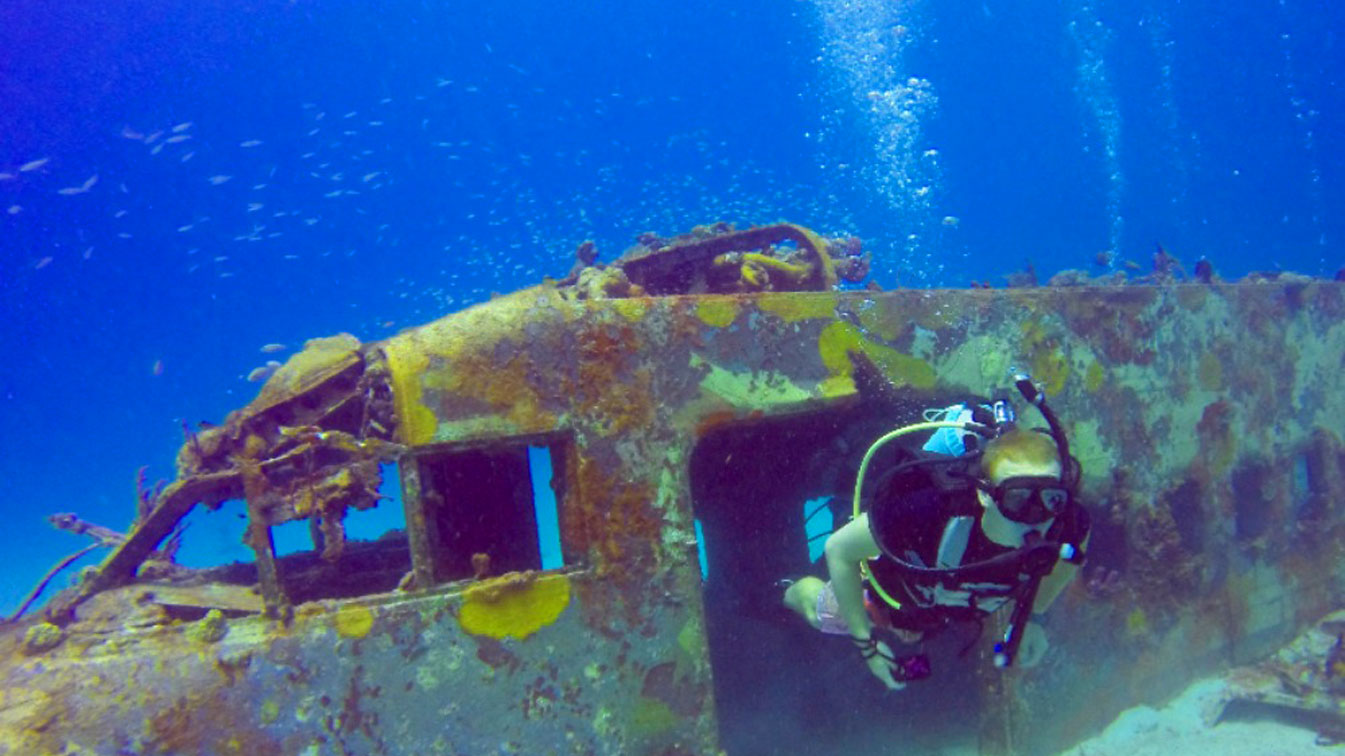
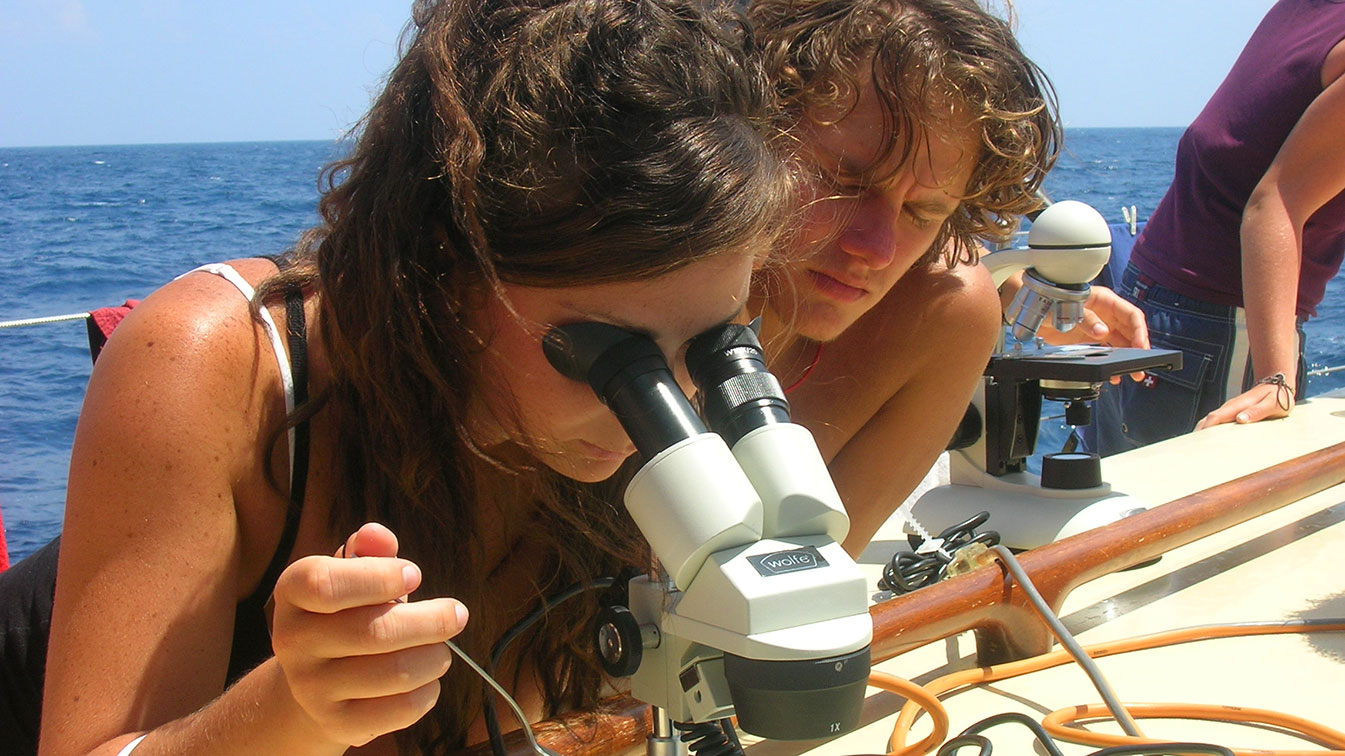
Grasp lessons (and earn college credits) in oceanography, marine biology, basic seamanship and leadership--not to mention the wisdom that comes from working with shipmates from across the globe to complete your journey. Study marine biology up-close as you tag turtles at Mountain Point and complete reef check dives in Soufriere, St. Lucia. Climb to the top of the Seven Sisters waterfall in Grenada. Dive off Great Dog Island to explore the array of marine life that call a submerged airplane home.

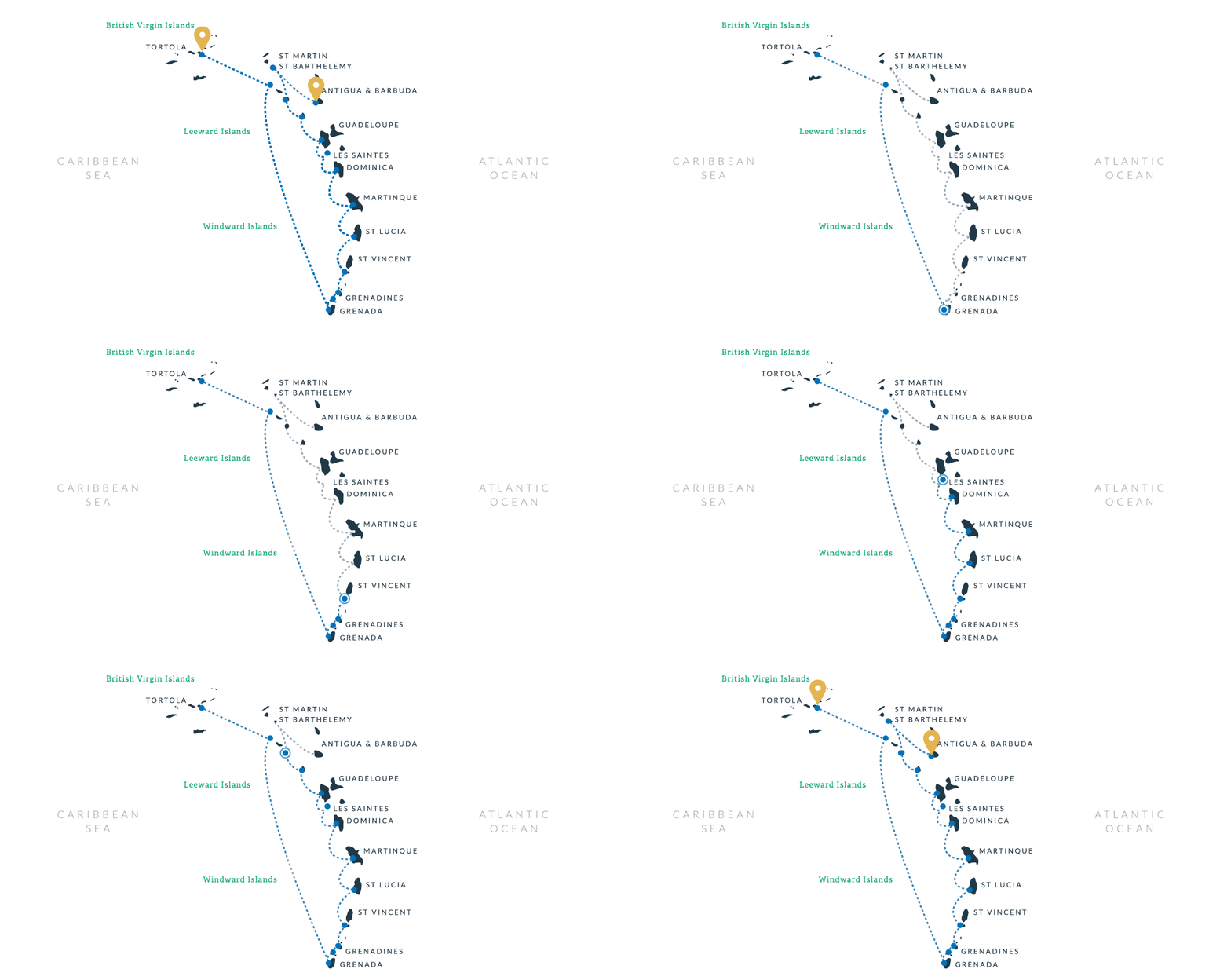
All told, you'll explore the British Virgin Islands, the islands of Saba, St. Eustatia, The Grenadines, St. Lucia, Martinique, Dominica, Guadeloupe and The Saints, Montserrat, Antigua and St. Barts. If you want to see every facet of the Caribbean, earn accredited sailing and diving certifications as well as a full semester of college credits--this is your adventure.

Life Aboard

collapse
  • Voyage Snapshots

    550true dots under 412true false 800http://www.seamester.com/wp-content/plugins/thethe-image-slider/style/skins/white-square-1
    • 5000 slideright true 40 top 80
      Slide7
      S/Y Ocean Star anchored in Tobago Cays
    • 5000 slideright true 40 bottom 80
      Slide4
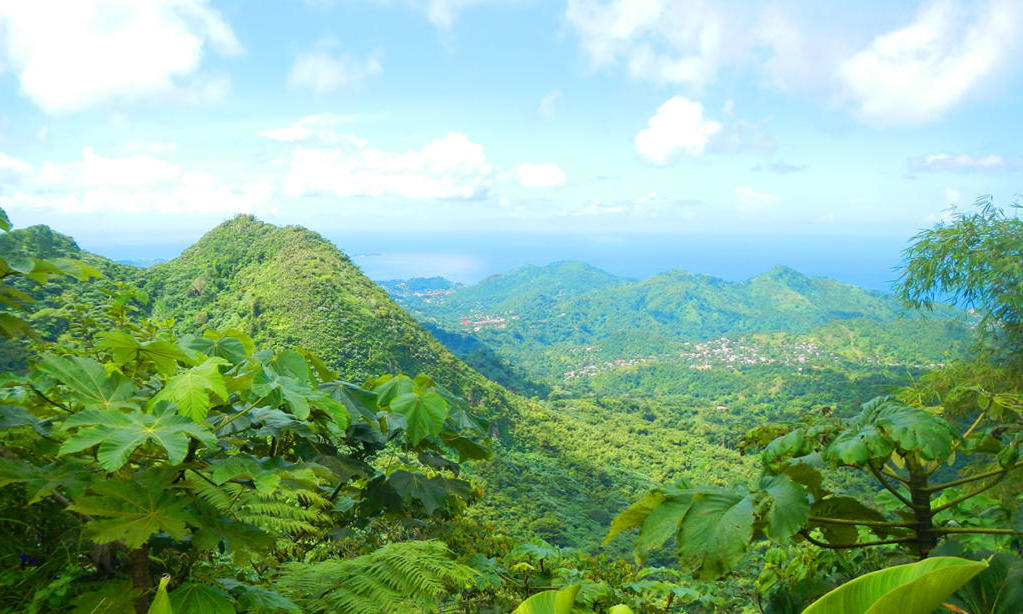
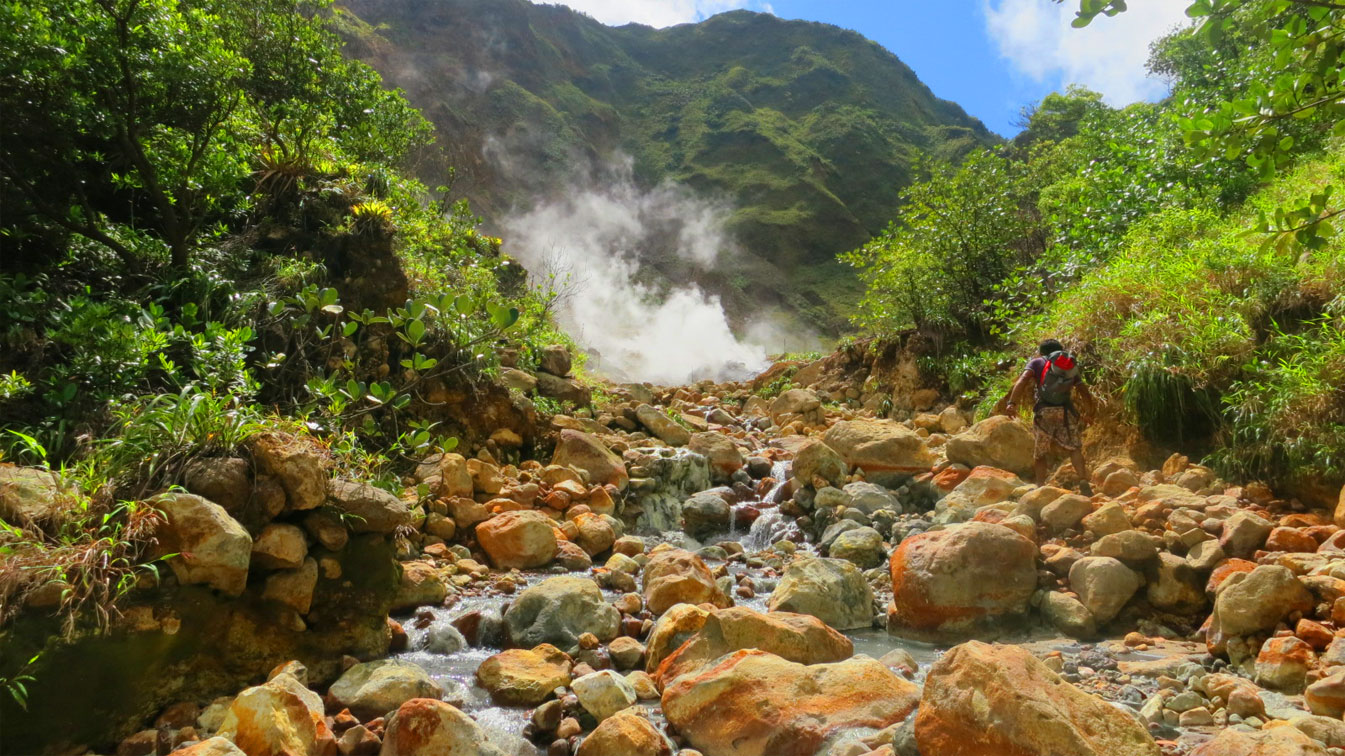
      Hike on Gros Piton, St. Lucia
    • 5000 slideright true 40 top 80
      Slide3
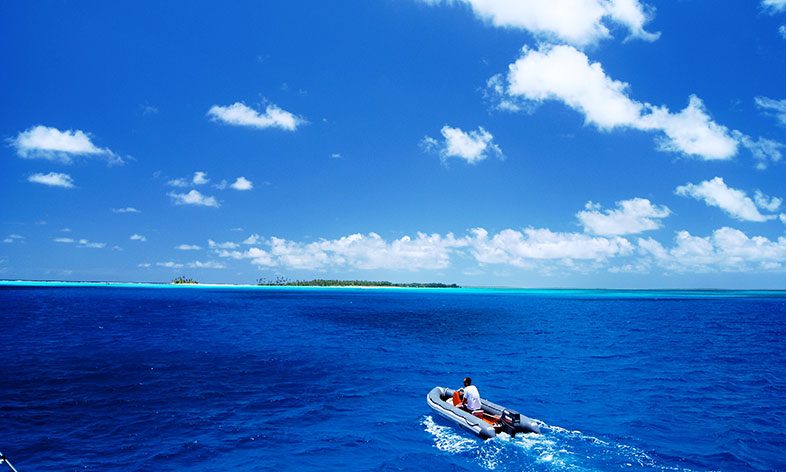
      View from S/Y Ocean Star in the Tobago Cays
    • 5000 slideright true 40 bottom 80
      Slide1
      Taking advantage of the waves St. Barths F.W.I.
    • 5000 slideright true 40 bottom 80
      Slide5
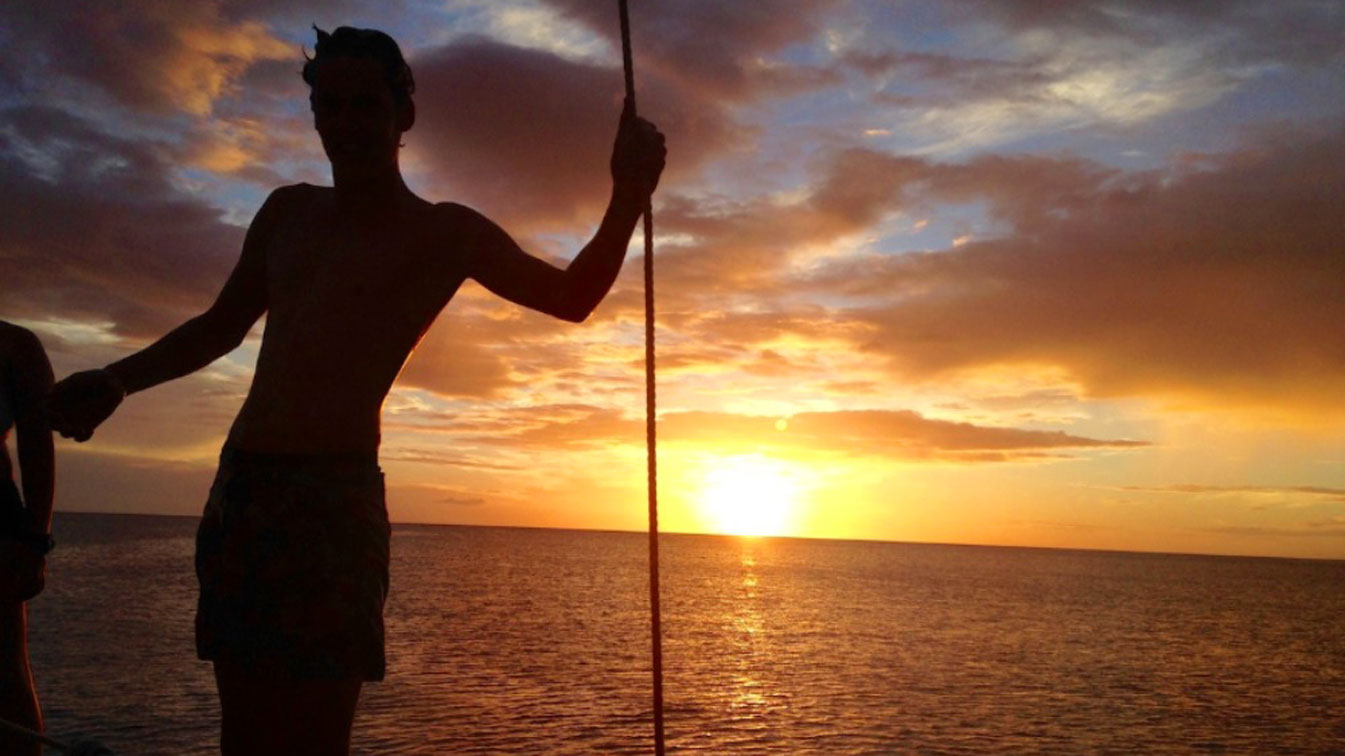
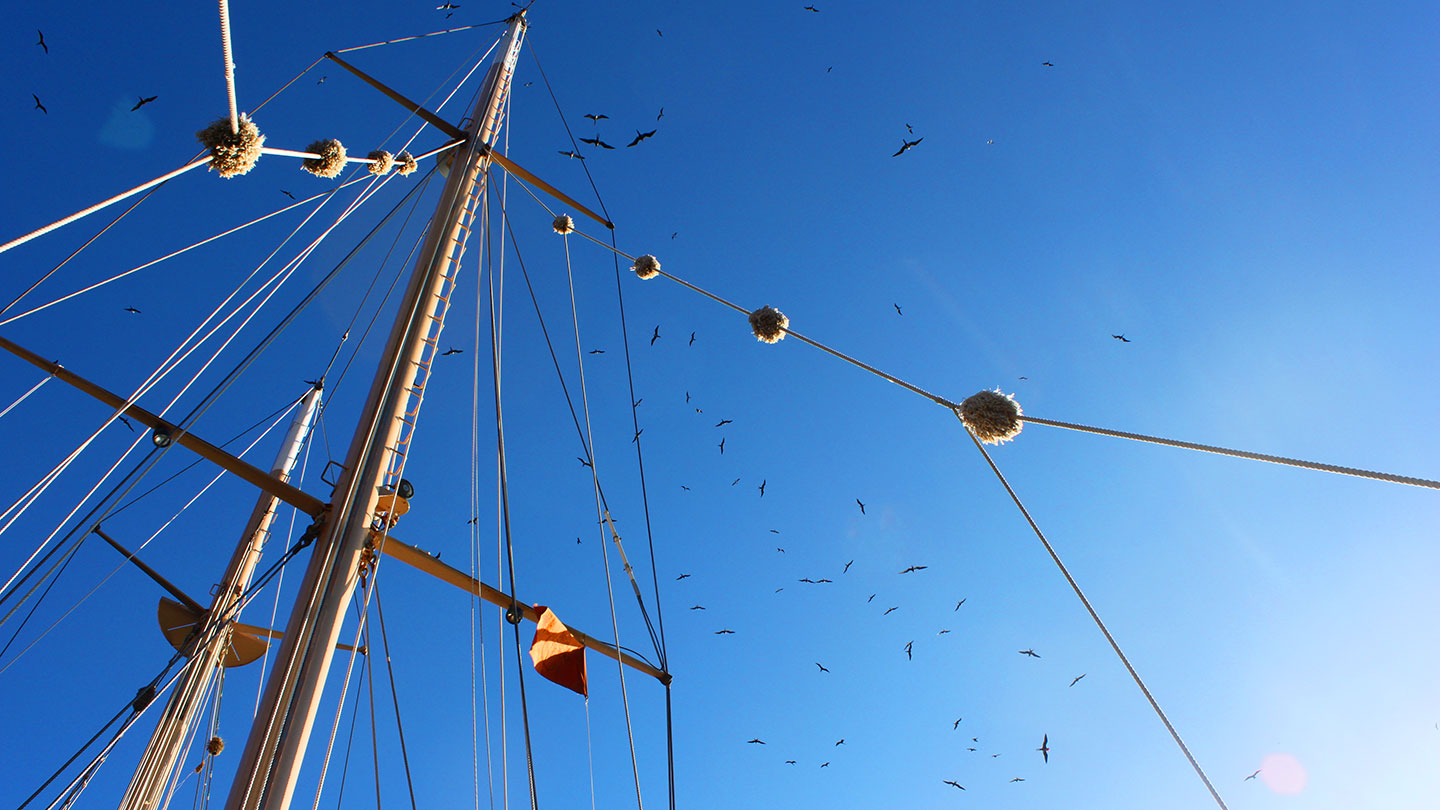
      Shadow of S/Y Ocean Star shipmates climbing the rig
    • 5000 slideright true 40 bottom 80
      Slide6
      Research dive at SMMA in St. Lucia
    • 5000 slideright true 40 bottom 80
      Slide2
      Hobie Race Day! Photo taken in Vixen Point, BVI
    • 5000 slideright true 40 bottom 80
      Slide8
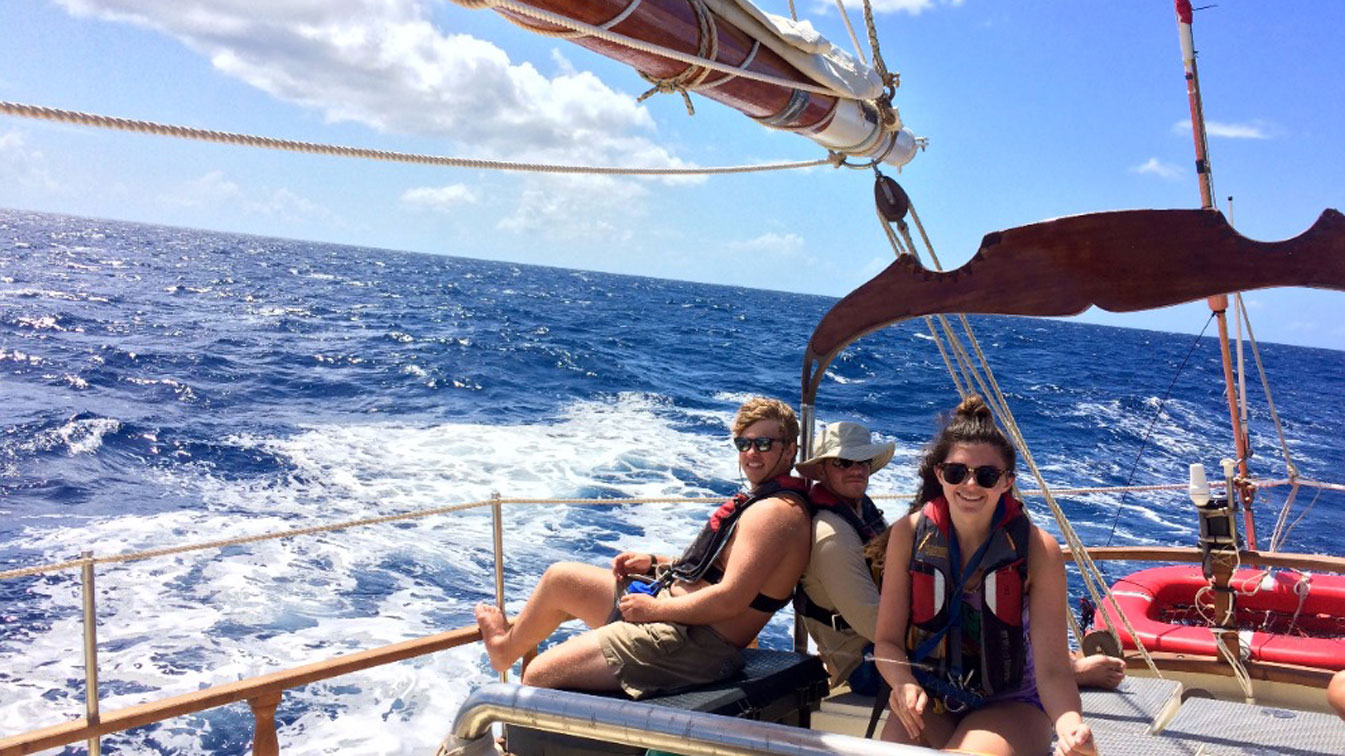
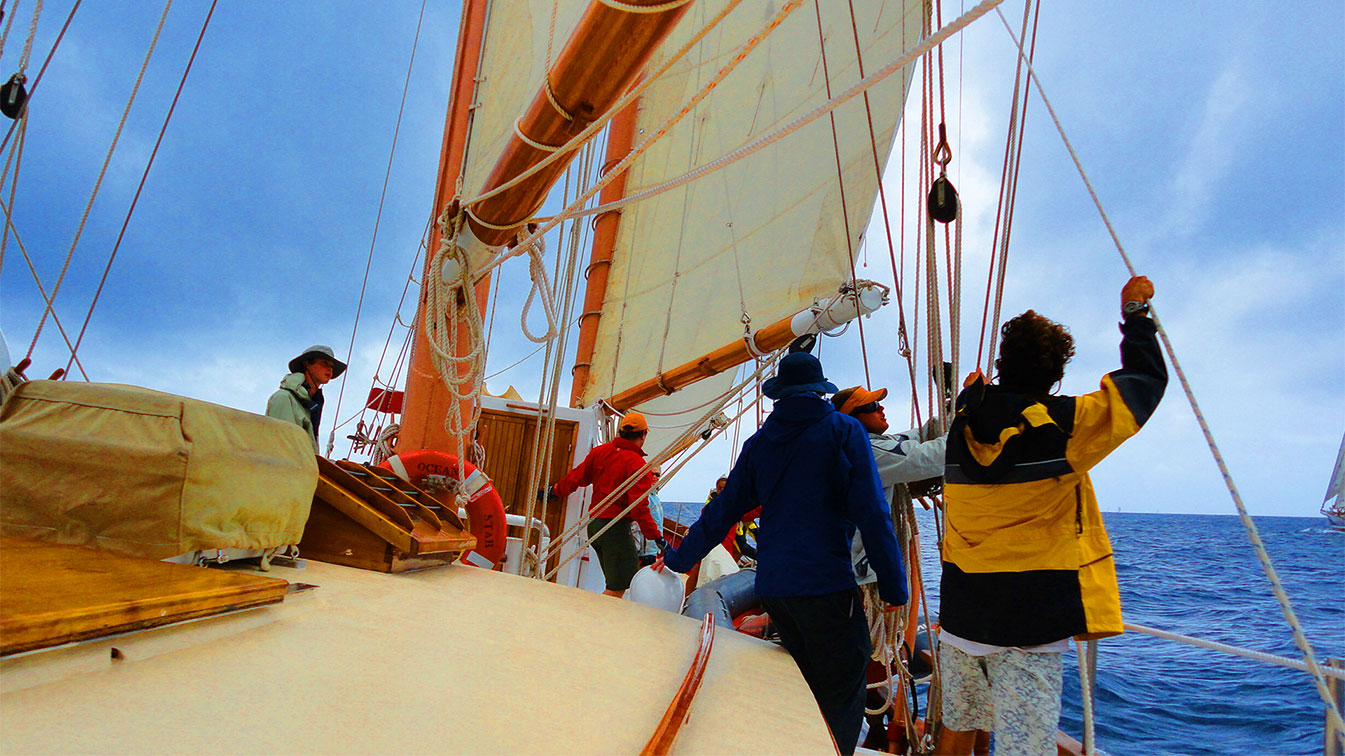
      S/Y Ocean Star underway in Caribbean

Voyage Itinerary

collapse
Area Ports of Call
British Virgin Islands Tortola, Virgin Gorda, Peter Island, Salt Island, The Dogs, Sandy Spit, Jost Van Dyke
Leeward Islands Nevis, Antigua, St. Barts, Statia, Saba, St. Kitts
Windward Islands Bequia, St. Lucia, Martinique, Dominica, The Saints, Guadeloupe
Grenada & the Grenadines Grenada, Carriacou, Union Island, Tobago Cays
*Please note that all destinations are weather dependent and subject to change.

Frequently Asked Questions

collapse

Our 80-day Sea|mester voyages offer the most comprehensive Caribbean experience in terms of the geographical area covered and both academic and vocational classes and certifications earned. During the program, 12 academic credits are offered for the Seamanship, Student Leadership, Oceanography and Marine Biology classes taught aboard. For more information on our classes, please visit our courses page.

During the voyage, students earn a number of different certifications. Those new to scuba diving will have the opportunity to achieve the PADI Open Water Scuba Diver certification and PADI Advanced Open Water. Those already certified can build on their skills up to and including the Rescue and/or Divemaster level. In sailing, all students will challenge the International Yachtmaster Training, IYT International Crew Certificate and most will also challenge the Navigation Master certificate. All students will complete First Aid and CPR certification.

A maximum of 16 students and 4 staff will sail aboard for this voyage, split between both males and females.

This voyage is run aboard our 88-foot sail training schooner S/Y Ocean Star. She was originally launched in 1991 as a school ship for Ocean Navigator Magazine. Over the years, she sailed the waters between Canada and the Caribbean, enabling adult students to learn navigation and nautical skills. After an extensive refit, Ocean Star began a new life with Sea|mester, serving to train students and young adults on the waters she knows so well. For more information on Ocean Star, please visit our vessels information page.

From the moment you arrive, you'll move aboard and live on board full-time. If you've never lived aboard a sailing vessel before you'll find that there are a lot of differences to living on land. What's the head? Where's the lazarette? How do you pump the bilge? Ocean Star has 4 dedicated sleeping areas so there's enough room for us all to sleep down below in our own bunk.

Four professional staff members live aboard full-time. There will be the Skipper, the First Mate and a Marine Biologist (who is typically a diving instructor) and a fourth staff member who could also be a scuba instructor, EMT, Marine Biologist or someone with other special skills. Take a look through our staff page for more information.

The short answer to this question is, GORGEOUS! Well, usually anyway! In the Caribbean, the trade winds blow a steady 8-14 knots and the average temperature is 80 Degrees Fahrenheit with 76% humidity and 79 Degrees Fahrenheit water temperature. What's great about the Caribbean weather is that there is always a breeze, so it feels very comfortable almost all the time. Yes, it does rain now and then, but it is more of a tropical shower, lasting only a few minutes, rather than a complete day of rain.

About every five days, we will be in locations from which students may call home. At some ports of call there may be AT&T direct dial phones. Each Caribbean island has a different communication system, so dialing procedures change at each destination.

  • Local Phone Cards: Students may purchase local phone cards at each island. While quite expensive, this is our recommended method for ensuring a long distance connection.
  • Credit Card Calls: The most universal (yet most expensive) method of paying for a call is to use a valid credit card with operator assistance.
  • International Calling Card: We suggest contacting the major phone card providers for their information on the latest rates and access numbers (which are different for each island). In our experience, only international (non-prepaid) calling cards such as AT&T and Sprint, will work and then only with the correct access numbers.
  • Cellular Phones During the Voyage: students may travel with a cell phone, as this can be useful for communication during the travel days to and from the program. However, once with the program, cell phones may only be used at times we are ashore and have access to public pay phones. Students should note that very few carriers have service available in the Island's and if it is available, the cost of calling the US from a cell phone can be as high as $4.50 / minute.

We actively discourage students from using cellular phones aboard because the environment we strive to create aboard relies very heavily on each individual remaining focused on the group and our experience. Being tied to the modern world of "instant communications" can, in certain circumstances, be a hindrance to the personal and group processes aboard. We feel that there is ample opportunity to make calls during personal time ashore.

The easiest way is for students to place a quick call home to let Mom and Dad in on what's going on! Sometimes this doesn't happen though, so we instigated a trip update system in which, at the end of each day, the student skipper of the day writes a few remarks in the log. At various times (typically once every 3 or 4 days) this is typed up and posted on the Sea|mester website along with photos and the occasional podcast. This way, Mom and Dad can vicariously live aboard too!

Since mail can take up to three weeks to make it to the Caribbean, there will be no possibility of receiving mail during the voyage. Of course, with us being out on the water and in a different location every day, this adds a further dimension to the dilemma!.

Our vessels do not have computers or Internet connectivity, so email contact will be very limited. Students will be able to receive and send limited e-mail while ashore visiting internet cafes. These are becoming more popular, so you may want to make sure you have an email set up through an account such as Gmail or Yahoo.

No special immunizations are required to visit any of these Caribbean Islands. We do ask that all students check that their Tetanus and Hepatitis B inoculations are up-to-date.

All students traveling to the Caribbean need to have a passport which is valid for a minimum of six months after the date of departure from the British Virgin Islands. Visitors from certain countries other than the US, UK and Canada may require visas. To confirm whether or not a visa is required, please call us or contact the Chief Immigration Officer, Government of the British Virgin Islands, the nearest British Consulate or the nearest BVI Tourist Board Office.

Meet Sea |mester

Meet our team Learn about who we are... GO