

Location: Palma, Mallorca
Hello, I’m Nick.
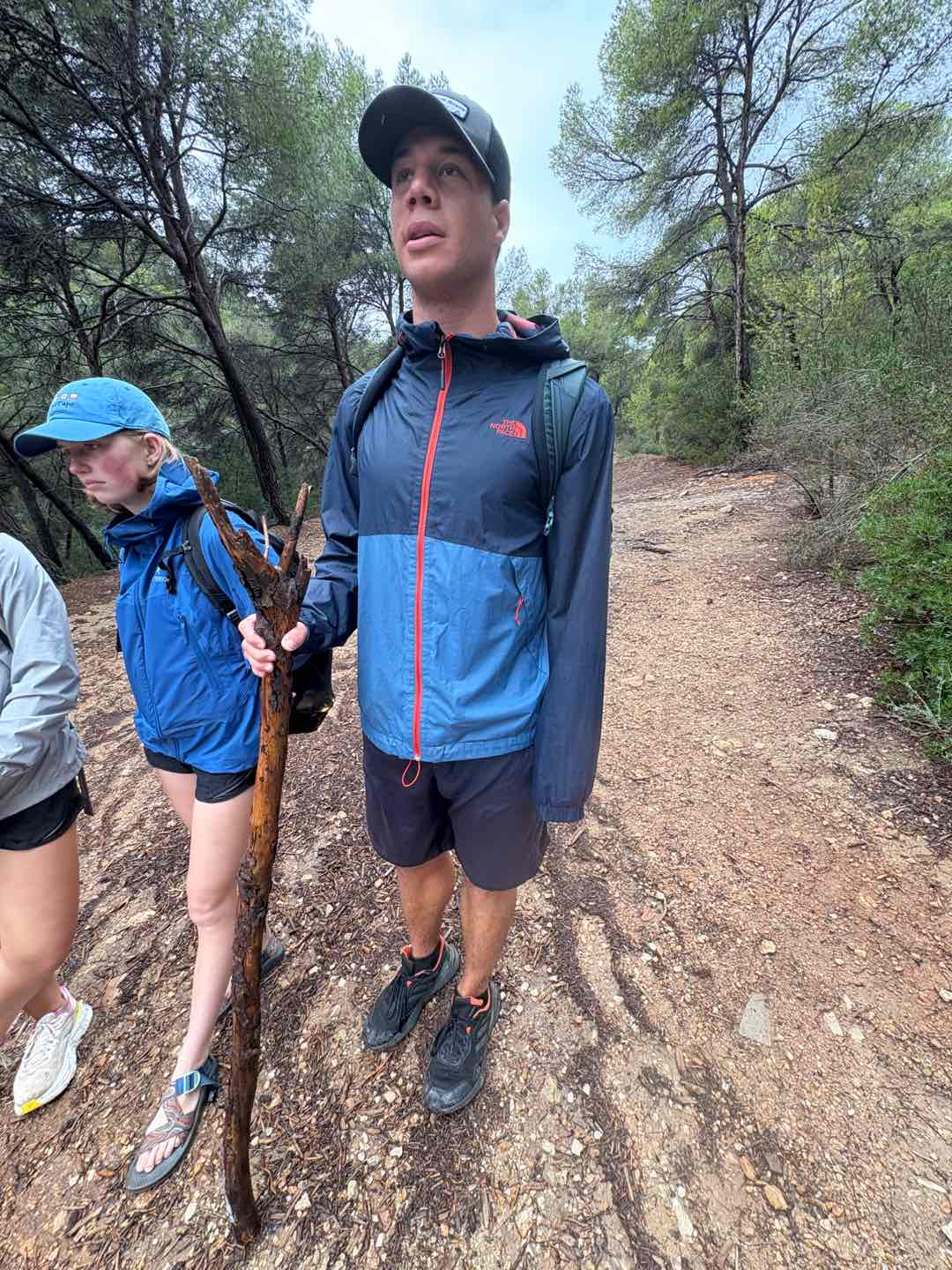
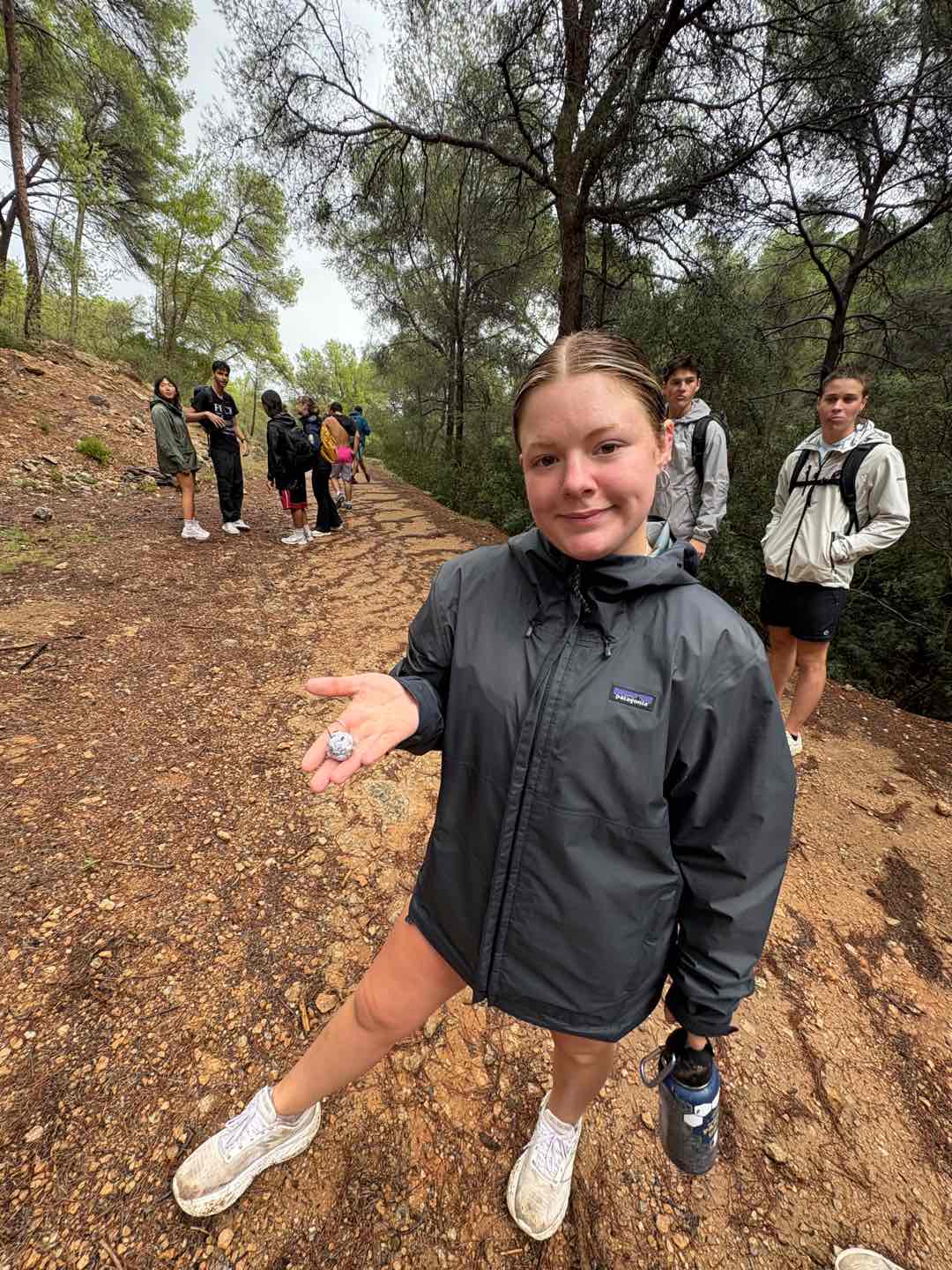
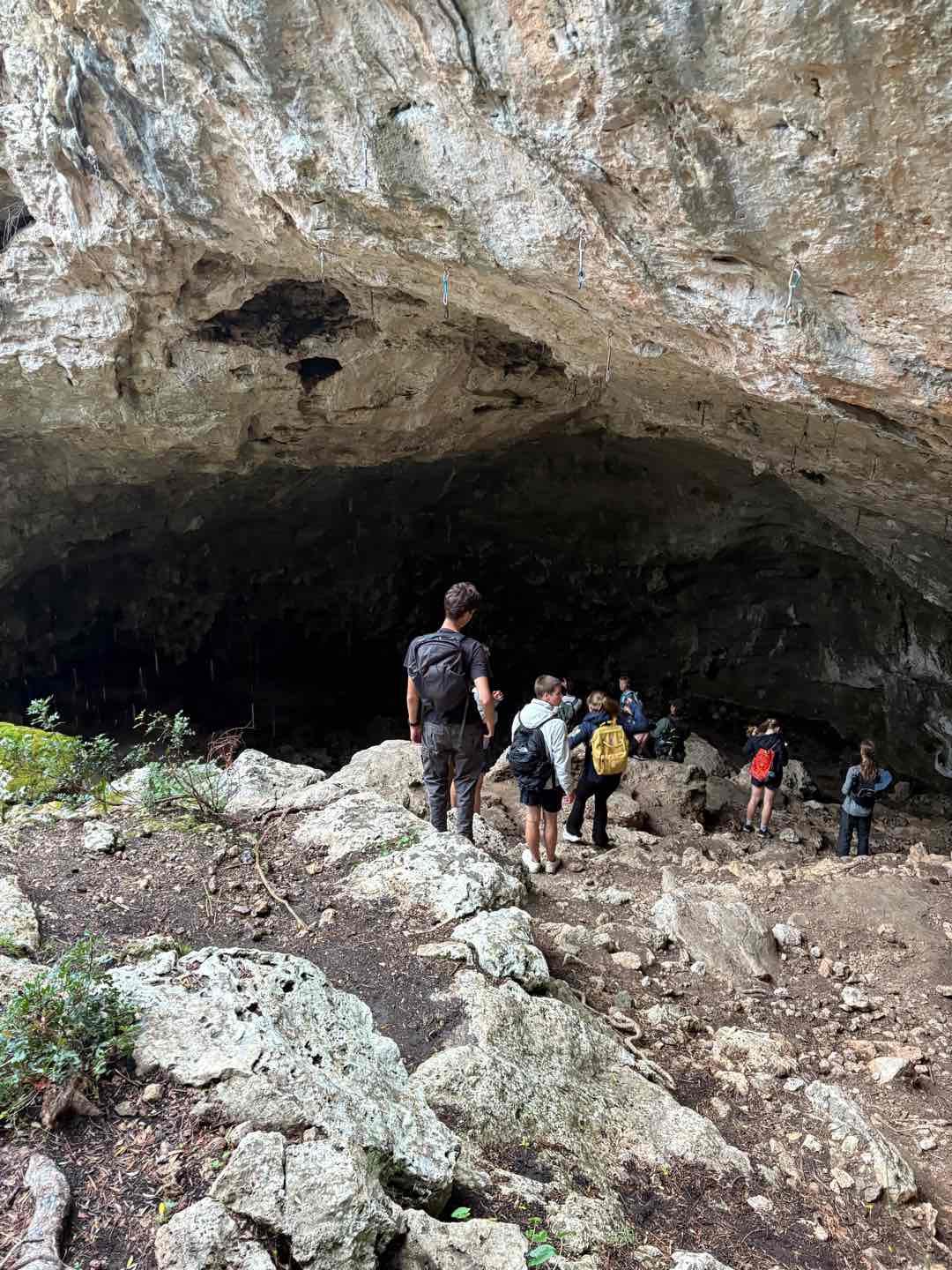
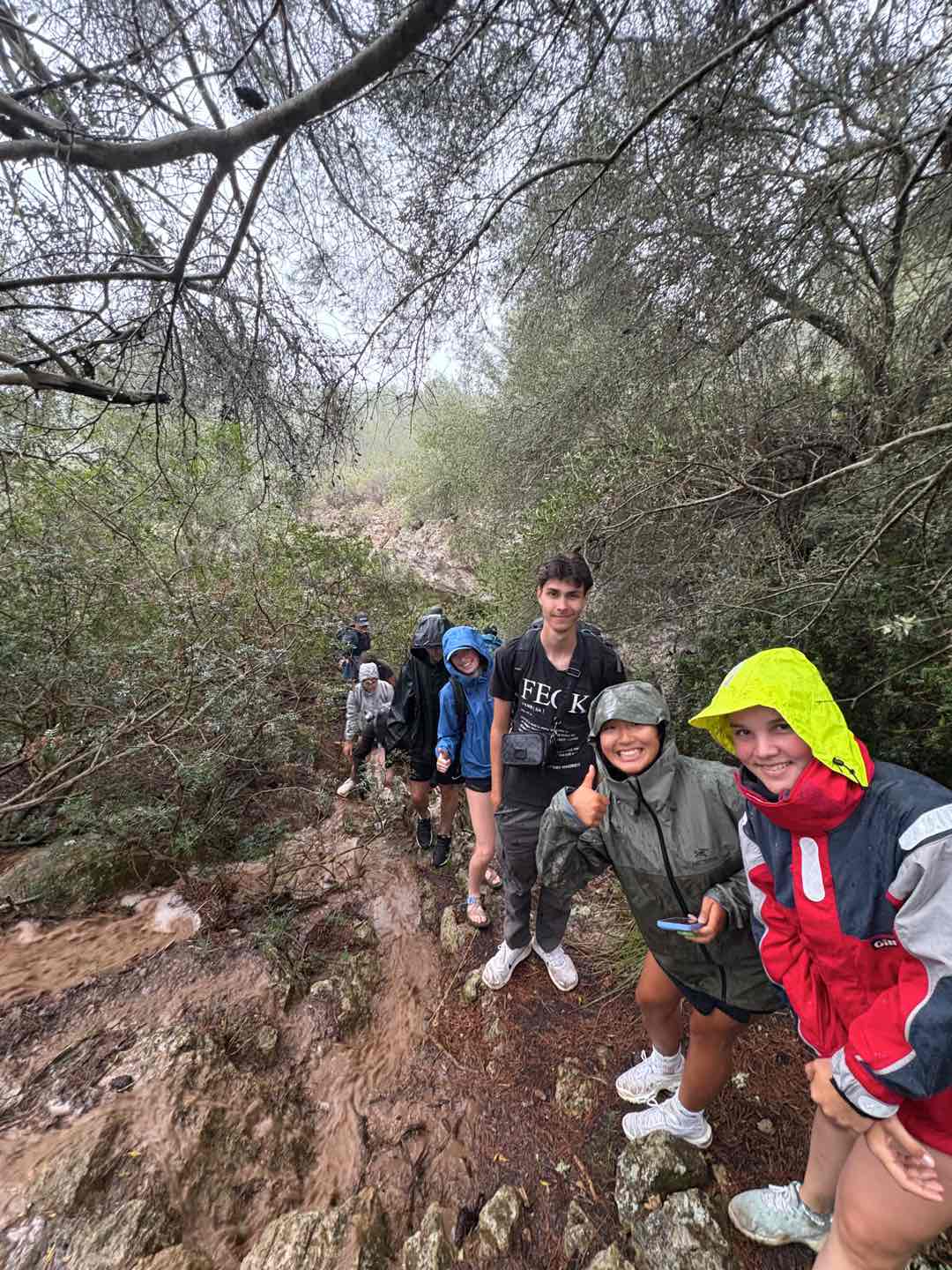
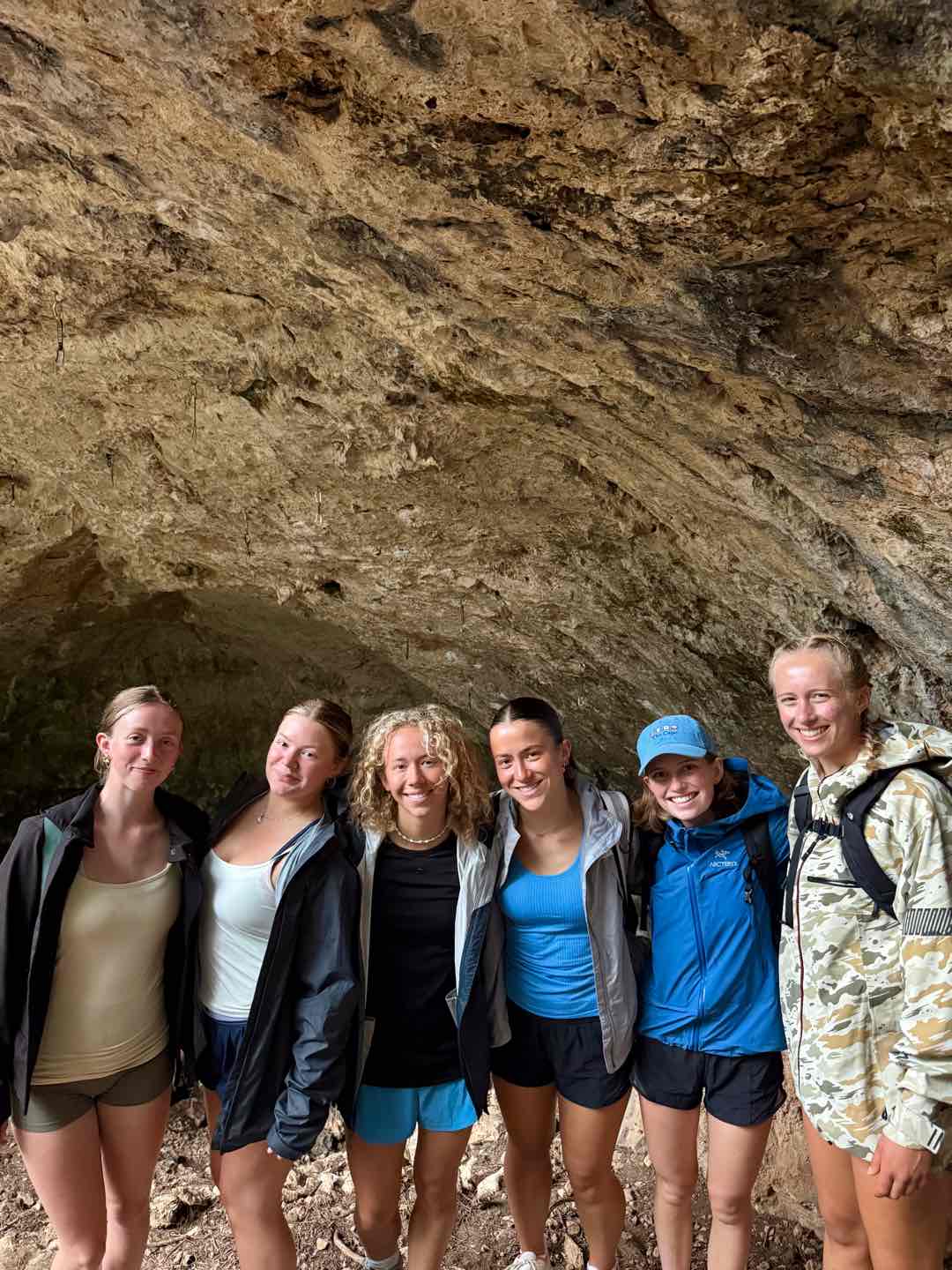
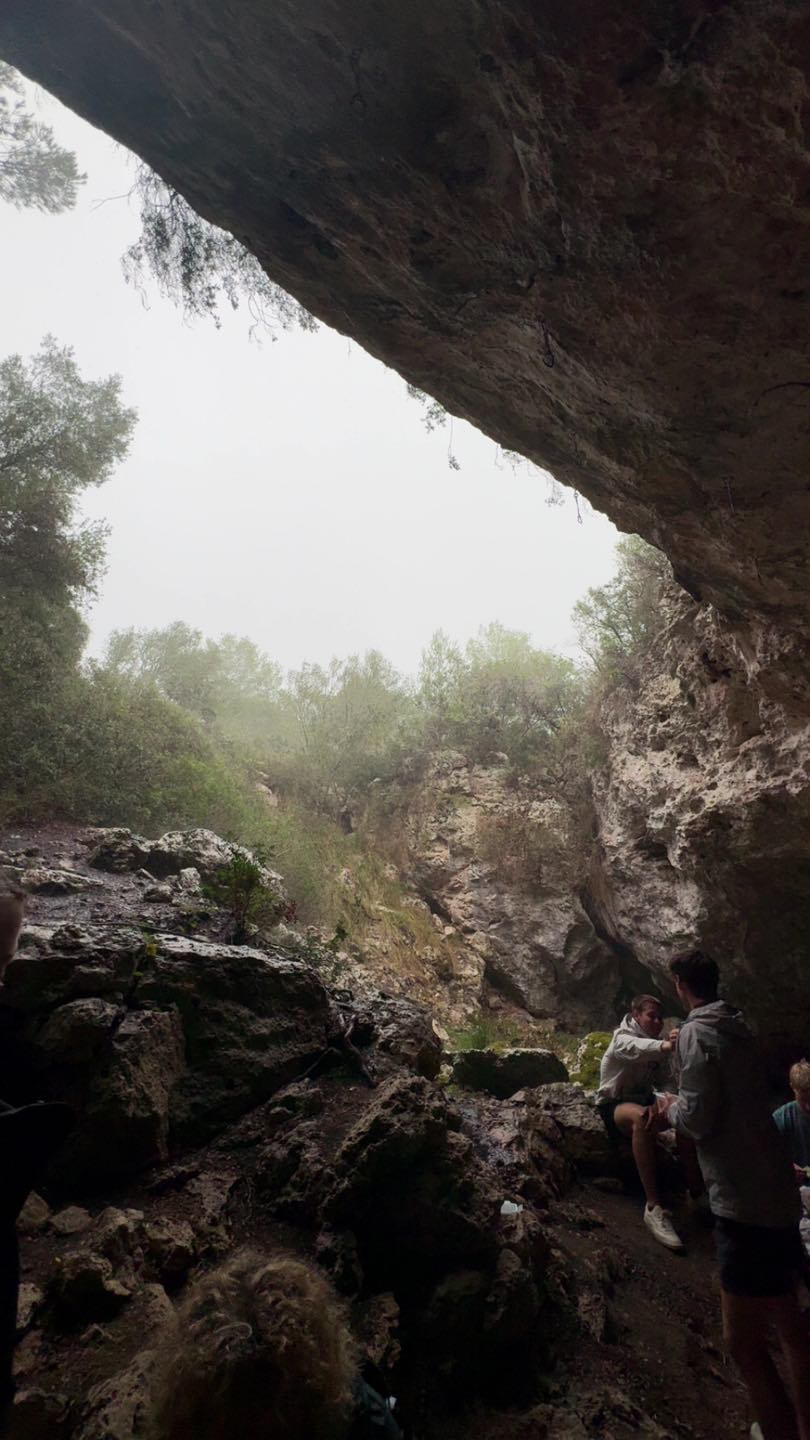
Your children went on a hike today…
They had fun.
What follows is the account of the day for a Captain of a Sail Training Vessel:
Today I started my skipper day with wakeups. I came to the realization this morning that we haven’t had a fire drill in a little while, thus at 6:45 am I rang the fire alarm. Jem decided to start a prank war with me last night, in which I vowed to wake him up in the most obnoxious way possible. The collateral damage caused by the fire alarm waking everyone else up was a necessary casualty of the war Jem started with me. Anywho, Ben prepared breakfast for us, which was Yogurt and Granola, my favorite. After which we shuttled all the students ashore for their hike, after which Rachel and I got to work replacing a busted shower drain pump for the port forward head. This one was quite hard to reach and involved Rachel splunking through Argos’ cavernous bilge. We were able to fix it, fortunately, without any major hangups, other than Rachel crying 100000 times for dropping something further in the bilge (editor’s note: I did NOT cry, I ~almost~ did). Next, I moved on to creating our passage plan for our sail to Almerimar.
The passage plan consists of fuel quantities and range, passage waypoints and ETAs, route weather, alternative ports of refuge, and local SAR contacts. For those of you out there who are curious about fuel calculations and weather routing at sea, I attached a pic of our current fuel calculations below. And for weather, I use two websites called Predict Wind and Windy. Windy gives you a full overview of the weather laid over a map, with many different weather overlays and a route planning feature. Predict Wind is a website that does mostly the same, except it is heavily focused on wind and sea state, and calculates the best route for your particular vessel based on entered specifications of the vessel. There are some good videos on YouTube on how to use each. I usually use the ECMWF and GFS models for all my weather needs.
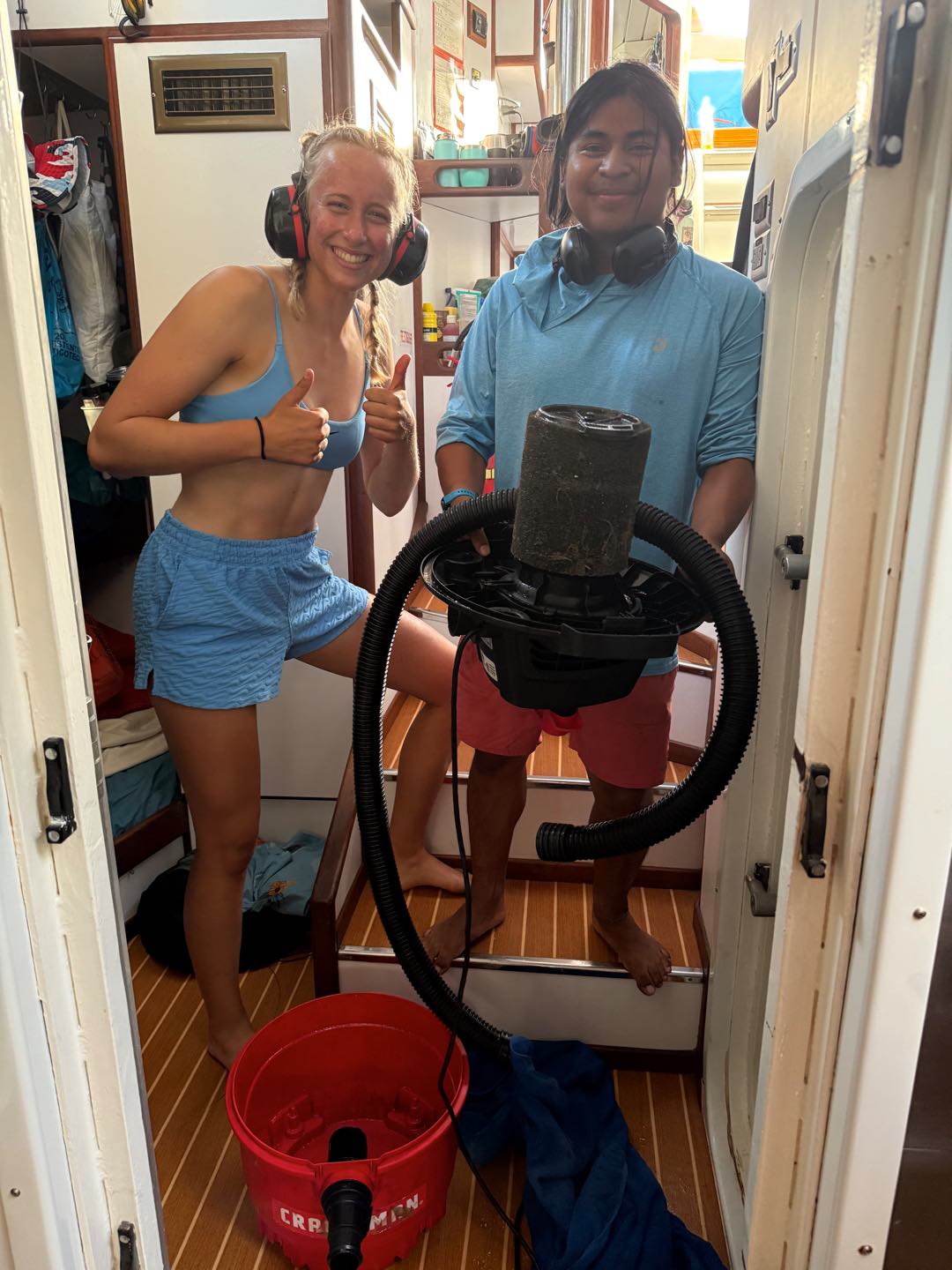
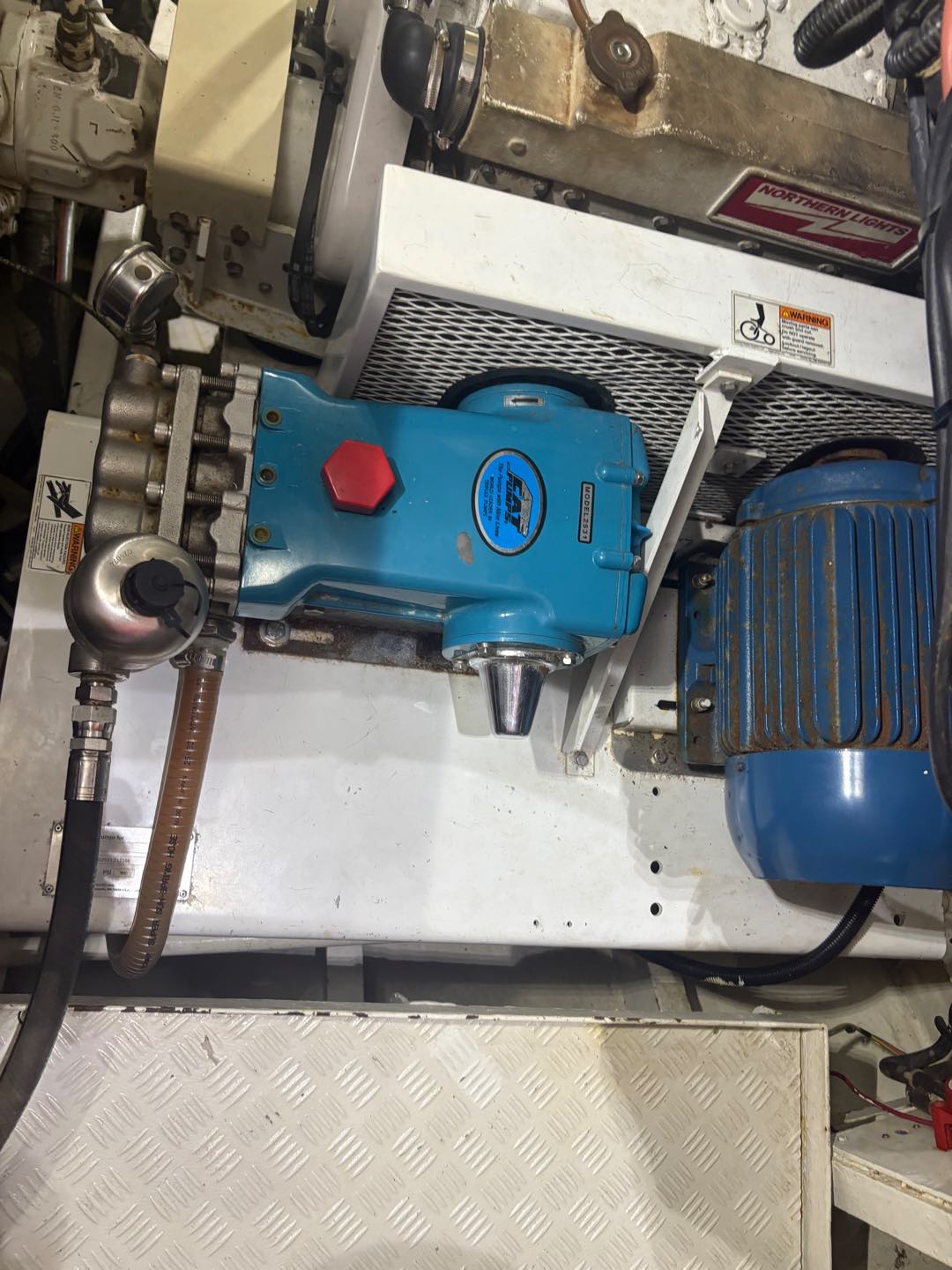
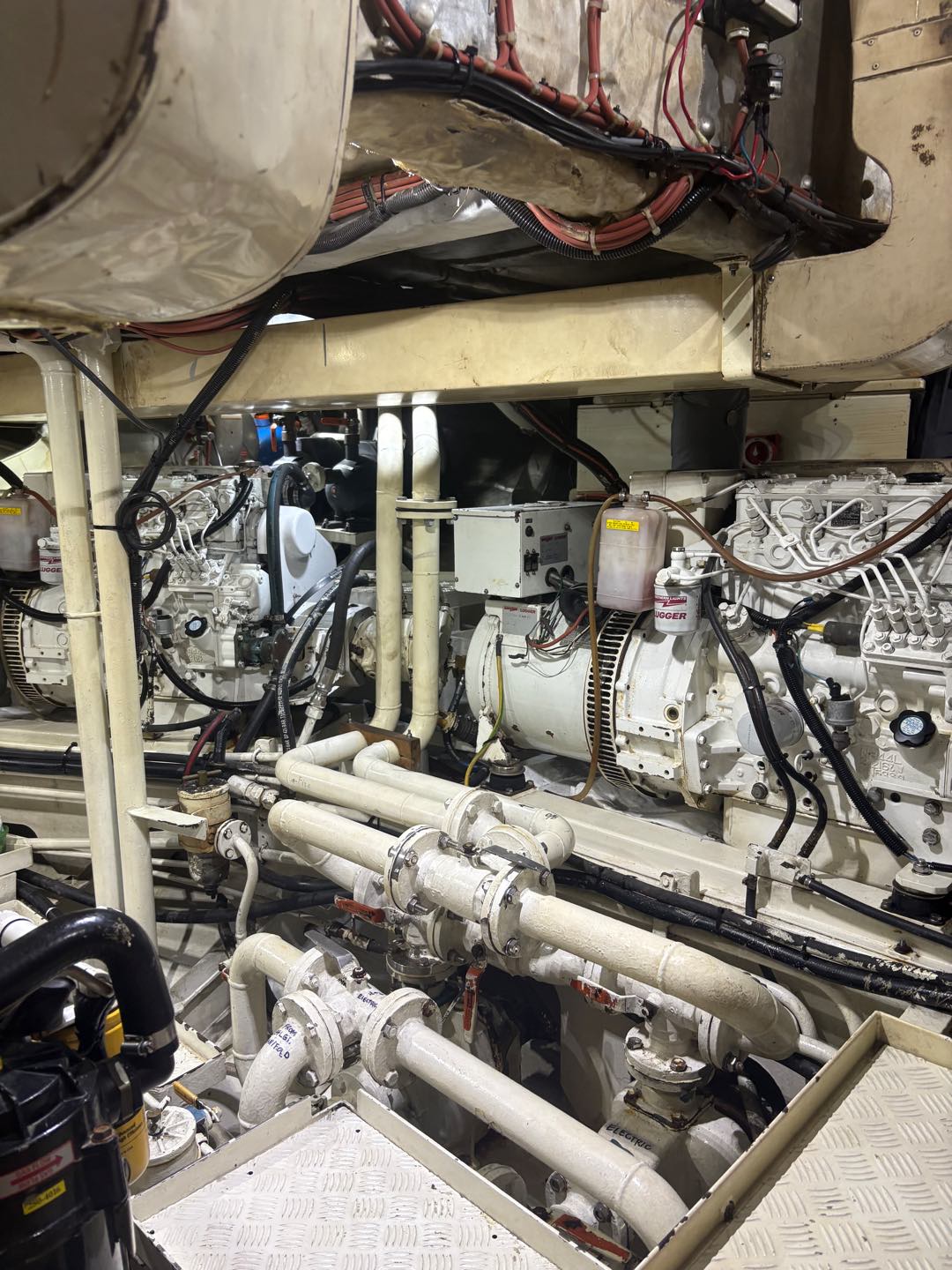
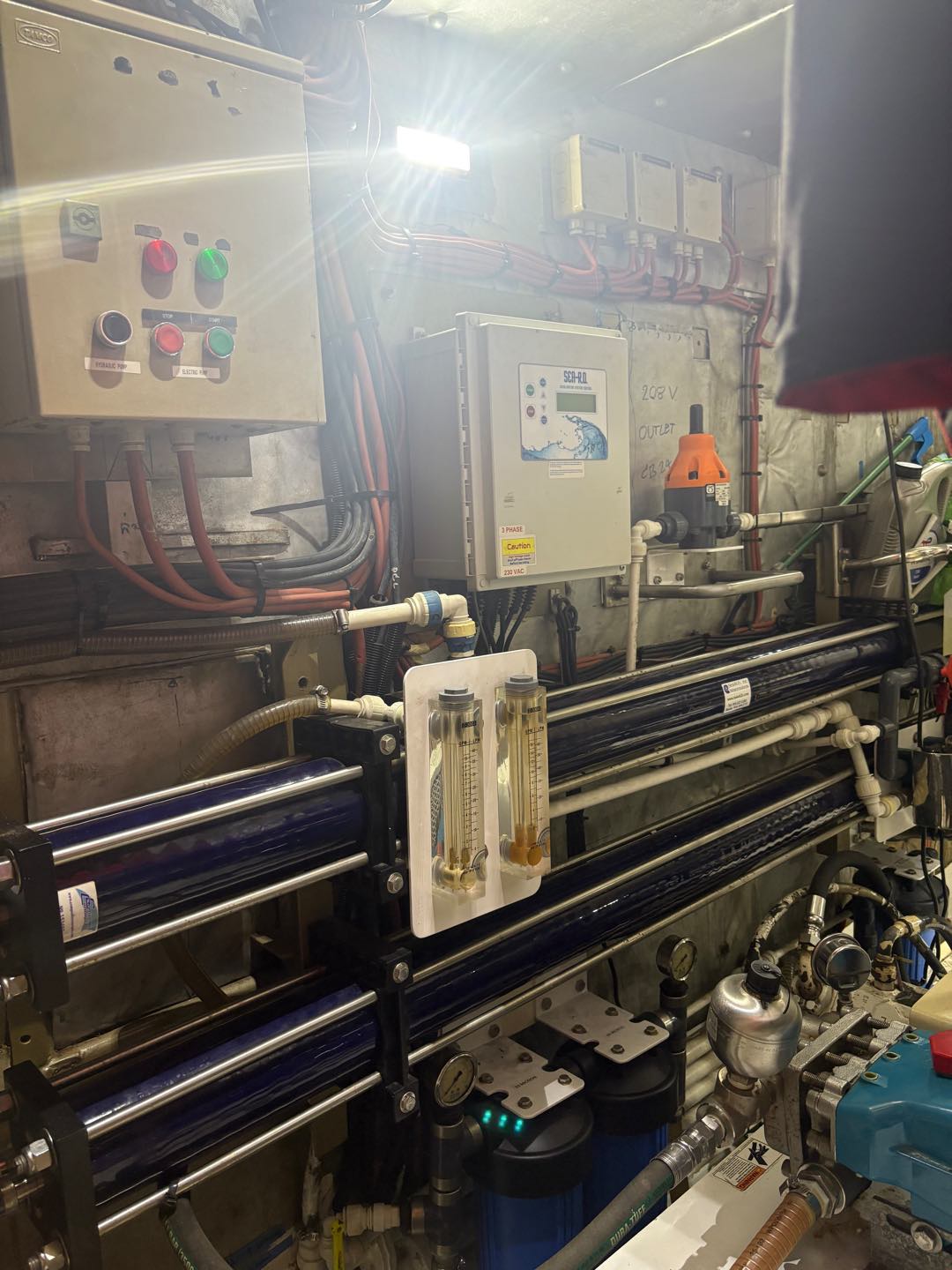
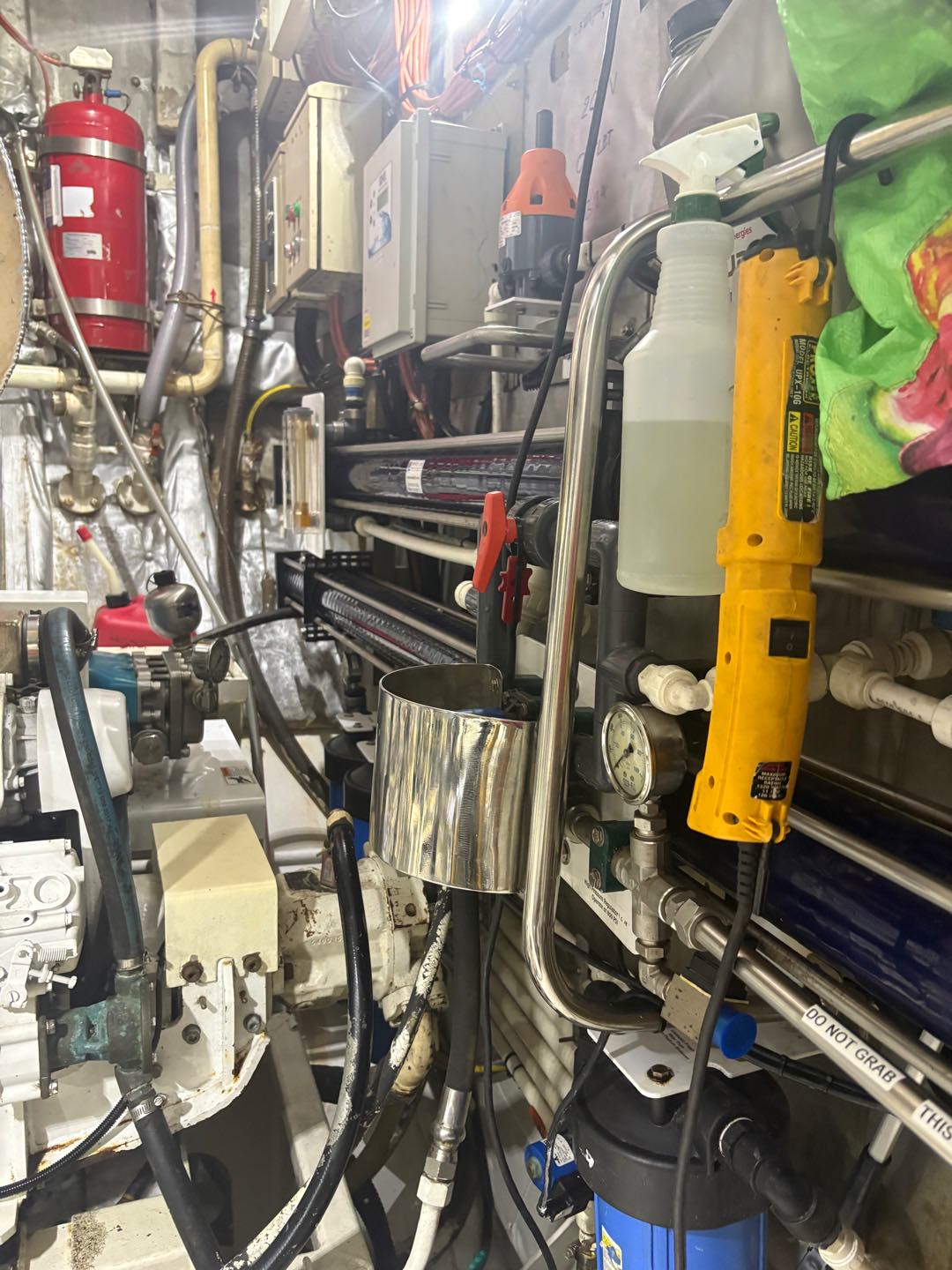
After submitting my passage plan, I then disappeared into the engine room for a little while to work on a slow leak coming from the water maker’s high-pressure valve. The water maker is a pretty cool piece of machinery. We make and store all the electricity and water used onboard. Using generators, we make power that is stored in the batteries for later consumption. The generators also run the water maker, dive compressor, and hydraulic systems. The water maker works by basically pushing sea water through semi-permeable membranes at about 800psi, using a process called reverse osmosis, the membranes only allow water through and not salt, the excess salt is then flushed away overboard in a highly salinated seawater mixture called brine. The watermaker makes about 5 gallons of water per minute, filling one of our two 700-gallon tanks at a time. I’ll put some pics of the engine room below, as well as of your children, cuz that’s probably what you want to see anyway. Later, I was lucky to have two more bilge gremlins named Oscar and Samantha help me clean out the engine room bilge, by help I mean I gave them a shop vac and told them to have a blast. After that, we had a nice pasta bolognese dinner made by Ben, and celebrated Charlie’s Birthday.